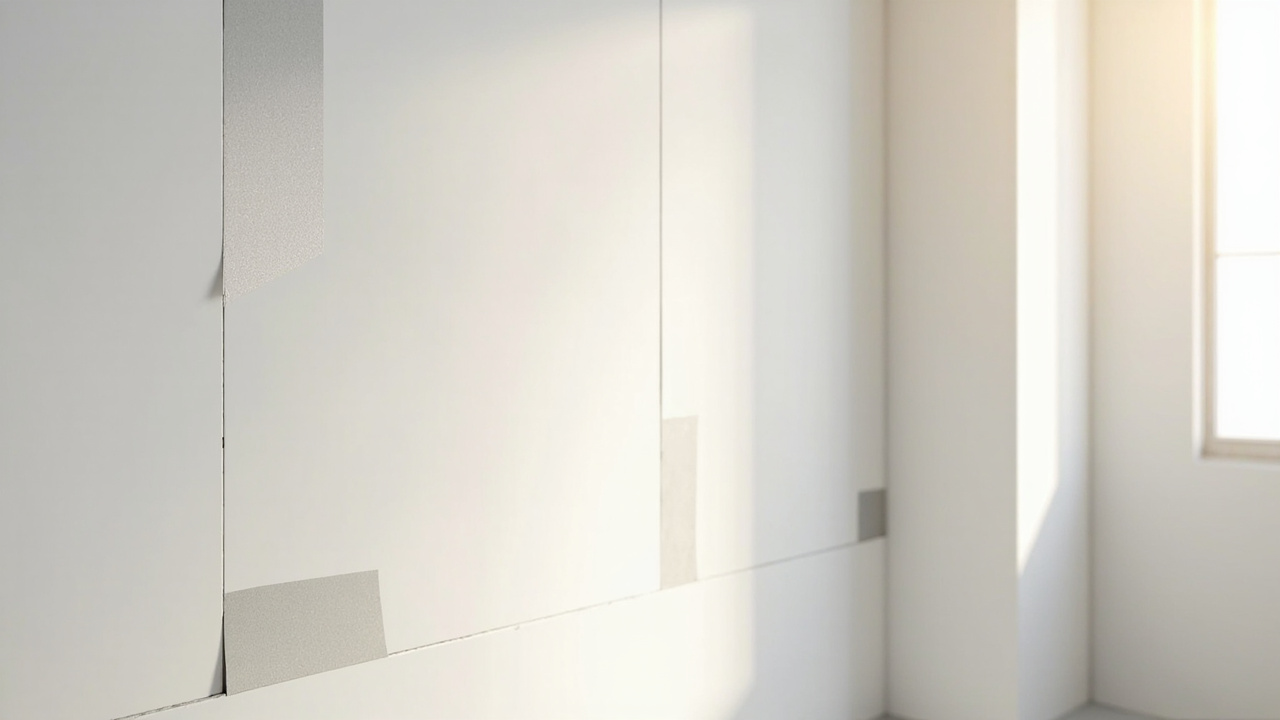
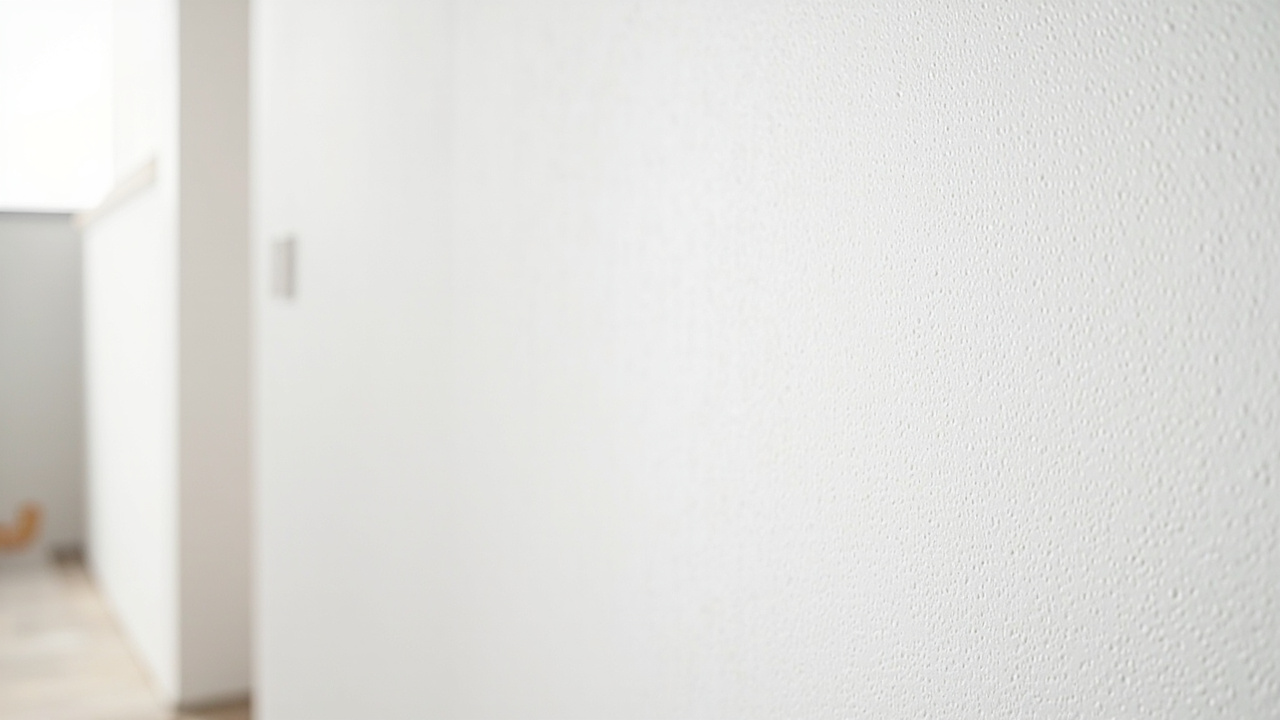
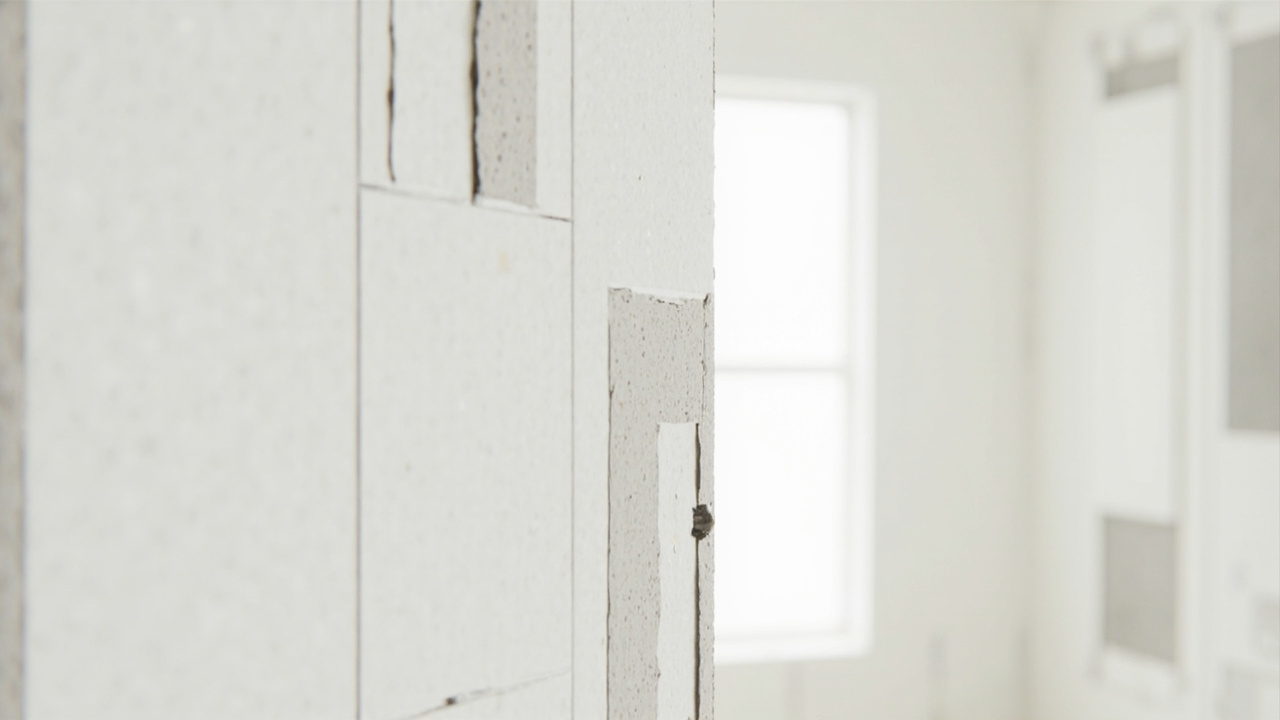
No taping, finishing, or accessories installed.
Used for temporary construction or spaces that are not yet ready for drywall finishing. The wallboard is installed, but the surface is not prepared for paint, texture, or final presentation.

Drywall finish levels define how smooth, refined, and paint-ready a wall surface will be — from unfinished construction surfaces to premium Level 5 walls designed for critical lighting and high-end interiors.
The right level depends on what the finished wall will receive: tile, texture, flat paint, glossy paint, dark colors, large windows, or strong wall-washer lighting. Photo examples are representative visual samples to help clients quickly understand the difference.
Used for temporary construction or spaces that are not yet ready for drywall finishing. The wallboard is installed, but the surface is not prepared for paint, texture, or final presentation.

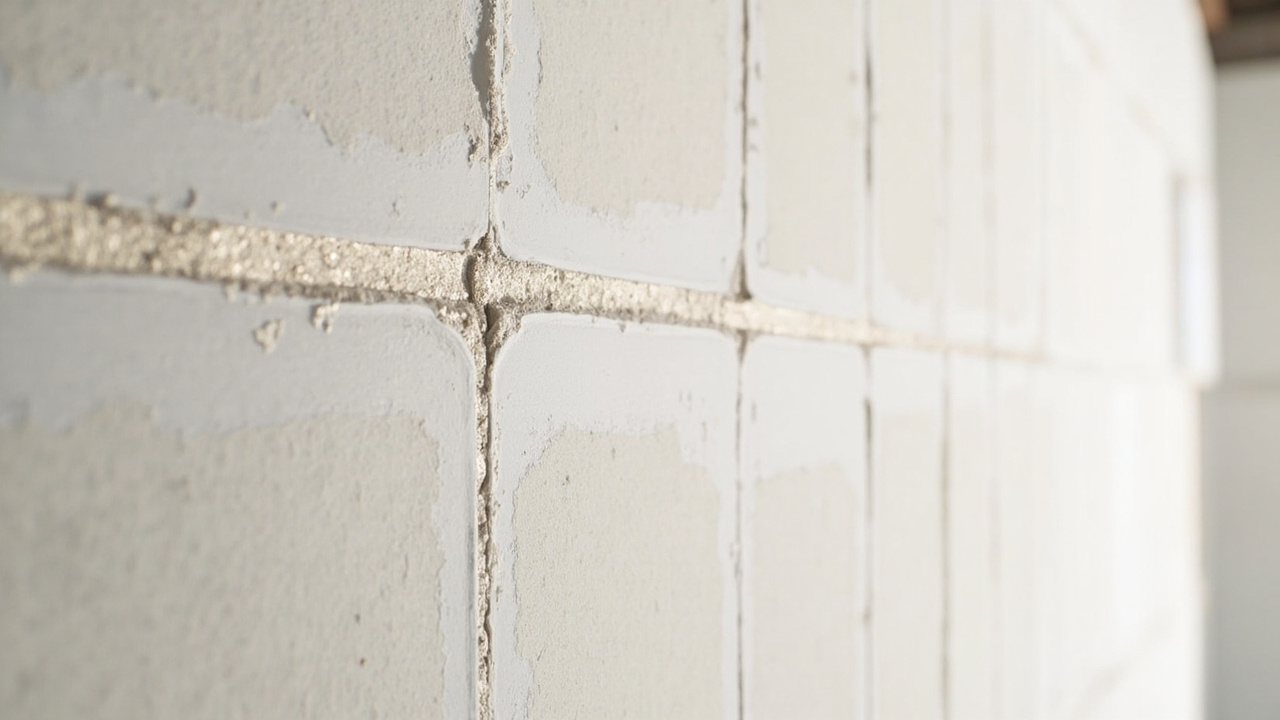
Tool marks and ridges are acceptable. Common above ceilings, in attics, service corridors, and areas hidden from normal view where appearance is not the priority.

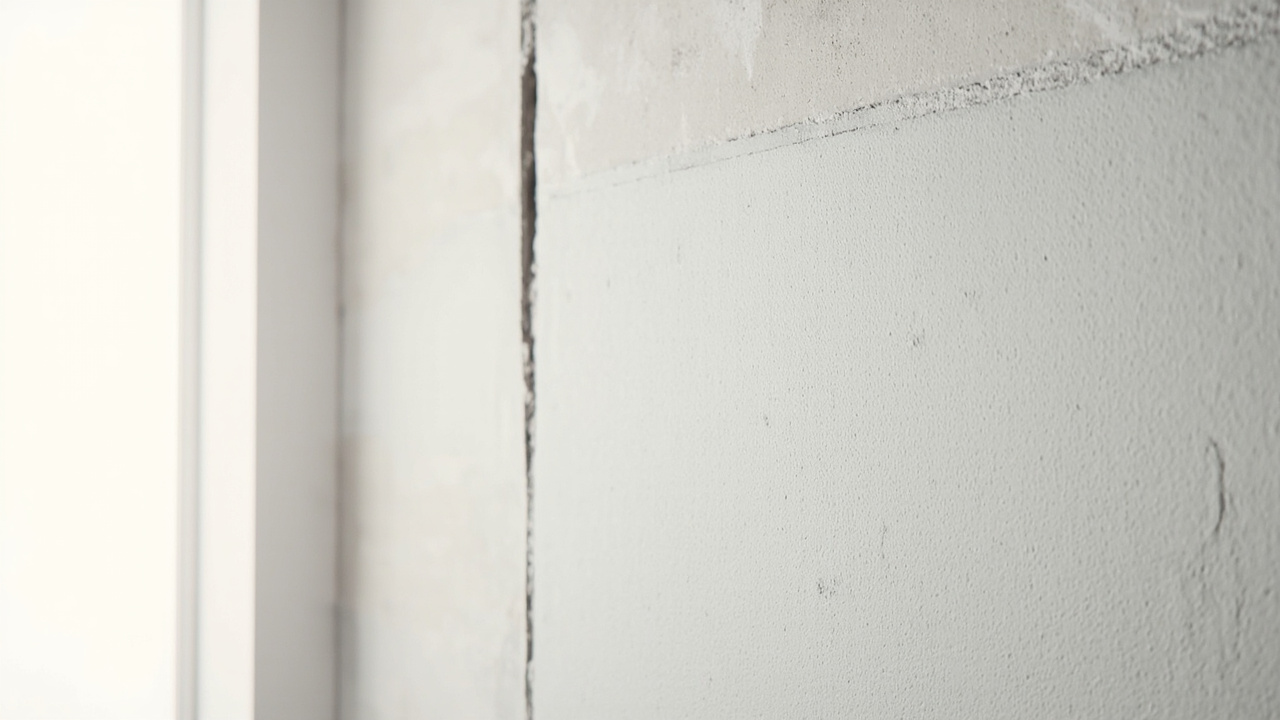
Appropriate for garages, warehouses, storage areas, and surfaces receiving tile. It provides basic coverage without the refined appearance expected for painted walls.

Suitable for medium or heavy texture finishes and some wall coverings. It is not intended for smooth painted surfaces or areas where subtle imperfections will be obvious.

The common standard for residential and commercial walls. Suitable for flat paint, light texture, or typical wall conditions when lighting and color choices are not highly demanding.

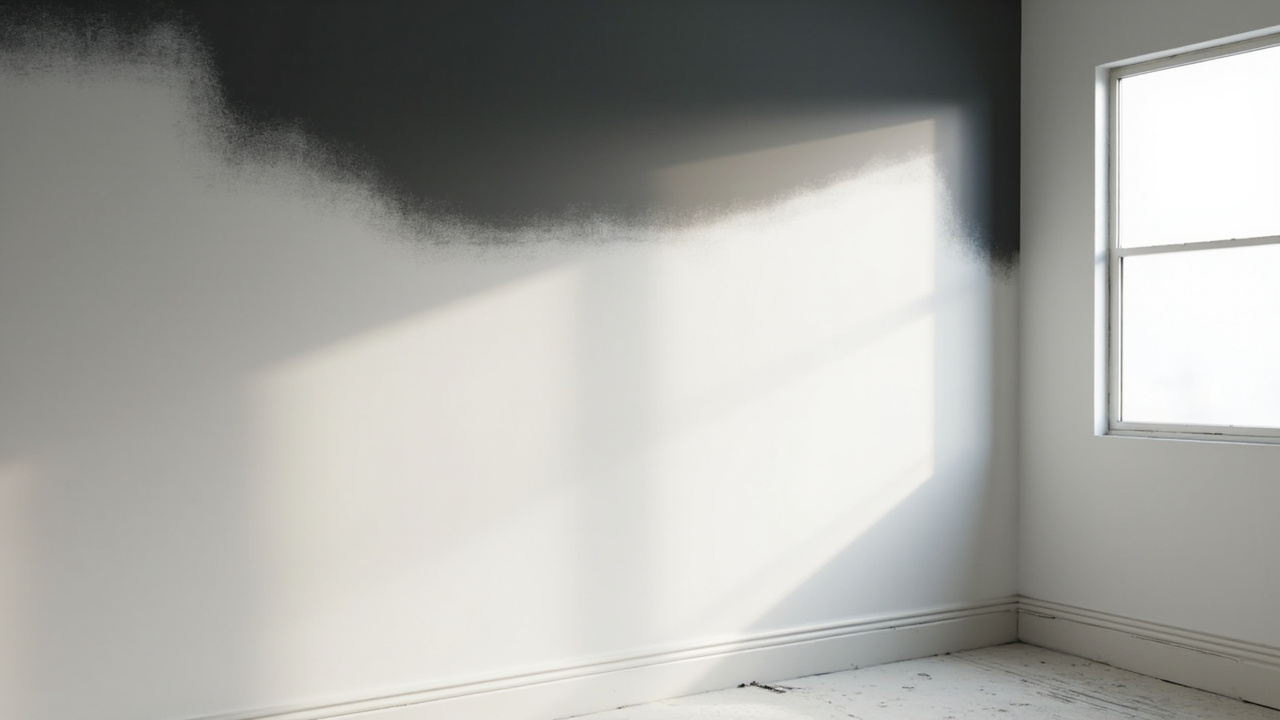
Best for smooth walls, glossy or semi-gloss paints, dark colors, critical lighting, large windows, and high-end finishes where minor imperfections would be highly visible.

As levels increase, joints, fasteners, accessories, and surface inconsistencies become less visible. Level 5 adds the broadest surface treatment: a skim coat across the entire plane.
This table helps homeowners, designers, and commercial clients understand what is included — and when a higher finish level should be specified.
| Finish Level | Surface Preparation | Best Use | Not Recommended For | Client Expectation |
|---|---|---|---|---|
| Level 0 | No taping, finishing, or accessories installed. | Temporary construction or areas not ready for finish. | Paint, texture, tile, or finished spaces. | Unfinished drywall only. |
| Level 1 | Tape embedded in joint compound; tool marks acceptable. | Attics, above ceilings, service corridors, concealed spaces. | Visible walls or areas needing a clean appearance. | Functional concealment, not visual finish. |
| Level 2 | Tape embedded with one coat over joints, fasteners, and accessories. | Garages, warehouses, storage areas, or surfaces receiving tile. | Smooth painted walls or premium client-facing spaces. | Basic coverage for utility surfaces. |
| Level 3 | Tape embedded plus additional coats for a more prepared surface. | Medium/heavy texture finishes or wall coverings. | Flat paint, glossy paint, dark colors, or critical lighting. | Good when texture will hide minor variation. |
| Level 4 | Standard smooth finish with multiple coats over joints, fasteners, and accessories. | Flat paint, light texture, standard residential/commercial walls. | Glossy finishes, dark colors, wall-washer lighting, large window light. | Clean standard finish; minor imperfections may show in harsh light. |
| Level 5 | Level 4 plus skim coat over the entire surface. | Smooth walls, semi-gloss/gloss paint, dark colors, critical lighting, high-end interiors. | Utility areas where premium finish is unnecessary. | Highest expectation; minimizes visible joint and surface imperfections. |
Level 4 is the common choice for standard residential and commercial projects. Level 5 is recommended when the final appearance is highly sensitive to light, sheen, color, or design expectations.
Use Level 4 for typical residential and commercial walls receiving flat paint or light texture in normal lighting conditions.
Use Level 5 for high-end smooth walls, dark colors, glossy or semi-gloss paint, strong natural light, wall-washer lighting, and large windows.
Levels 0–3 are usually reserved for concealed spaces, utility areas, garages, warehouses, tile substrates, textured finishes, or wall coverings.
Texture affects the final look, how much surface prep is required, and how forgiving the wall will be under lighting. Smooth finishes show the most; heavier textures hide more.

Clean, flat, and high-end. Best for modern interiors, but it shows imperfections more easily — especially with dark colors, glossy paint, or strong natural light. Often pairs best with Level 5.

A light, subtle texture that looks like the surface of an orange peel. Popular in residential work because it hides small imperfections while still feeling clean and not too heavy.

A sprayed texture that is flattened slightly for a soft mottled look. Good for larger walls, remodels, and areas where you want texture to hide minor flaws without looking too rough.

A hand-applied texture with a custom, plaster-like appearance. Often used when the client wants more character, warmth, or a Mediterranean / craftsman-style finish.

A fine-grit texture with a consistent, subtle grain. It can help reduce visible imperfections while staying more understated than heavy knockdown or skip trowel.

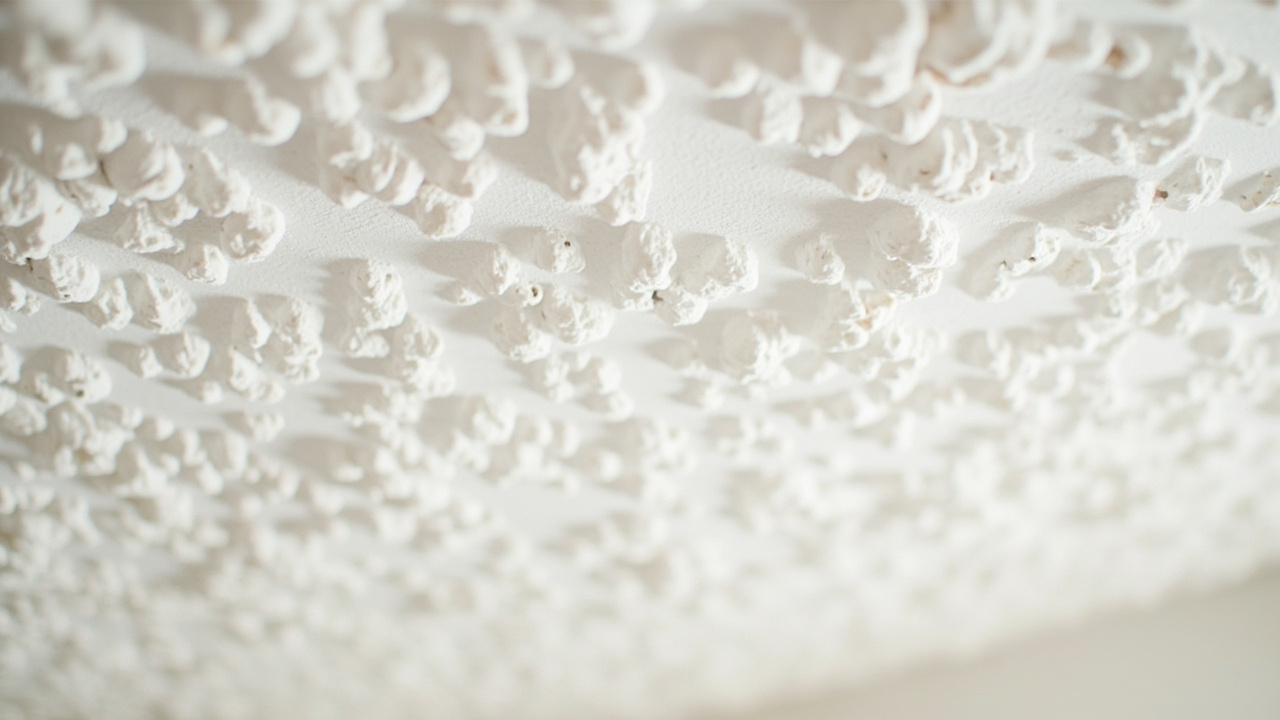
A heavy ceiling texture mostly found in older homes. It can hide ceiling imperfections and absorb sound, but many modern clients choose to remove or avoid it for a cleaner look.
Not sure whether your project needs Level 4 or Level 5? Schedule a professional drywall consultation to review your finish expectations, lighting conditions, paint plans, and project scope before work begins.